WATERS 700004669 Edwards Vacuum Mist Filter Oil Element 801234041407 EMF10
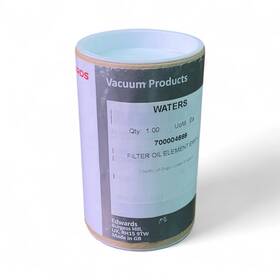
( Brand: Waters ), ( Manufacturer Part Number: 700004669 ), ( Part Type: Vacuum Oil Filter ), ( Country Of Origin: United Kingdom ), ( UPC: 801234041407 )
Review WATERS Edwards Vacuum Mist Filter Oil Element Best Offer
The **Waters 700004669 Edwards Vacuum Mist Filter Oil Element (EMF10)** is a high-performance, precision-engineered filtration component designed to ensure optimal performance and longevity for Edwards vacuum systems, particularly those operating in demanding laboratory, industrial, or manufacturing environments. This oil element is specifically crafted to filter out contaminants such as particulate matter, moisture, and other impurities from the circulating oil within rotary vane, scroll, or diaphragm vacuum pumps, thereby safeguarding critical system components from premature wear and failure. Constructed from a durable, high-quality synthetic media, the EMF10 features a compact yet efficient design that maximizes filtration efficiency while minimizing pressure drop, allowing for smoother and more consistent vacuum operation. Its robust construction ensures resistance to oil degradation, thermal stress, and chemical exposure, making it ideal for applications requiring precise control over vacuum levels, such as mass spectrometry, thin-film deposition, freeze-drying, or semiconductor manufacturing. The element s modular design allows for easy installation and replacement, reducing downtime and maintenance complexity, while its compatibility with Edwards broader range of vacuum systems ensures seamless integration into existing setups. By maintaining oil purity and reducing the risk of pump contamination, the EMF10 enhances system reliability, extends equipment lifespan, and contributes to more accurate and reproducible experimental results. Whether used in research laboratories, pharmaceutical production, or industrial processes, this filtration element serves as an essential safeguard against particulate and moisture-related failures, ensuring peak performance and operational efficiency.
### **Pros and Cons of buying a Waters 700004669 (Edwards Vacuum Mist Filter Oil Element EMF10)**
#### **Pros:**1. **Compatibility with Edwards Vacuum Systems** This filter oil element is specifically designed for Edwards vacuum pumps, ensuring proper lubrication and filtration for systems like the E2M, E2M-T, and other compatible models. Using the correct oil prevents damage to seals, bearings, and internal components.
2. **High-Purity Synthetic Oil** The oil is formulated to provide excellent lubrication while minimizing contamination in vacuum systems. Synthetic oils generally offer better thermal stability and longer service life compared to mineral oils.
3. **Reduces Downtime and Maintenance Costs** Proper filtration of oil particles prevents wear on critical components, extending the lifespan of the vacuum pump and reducing the frequency of costly repairs or replacements.
4. **Improves System Performance** Clean oil ensures smoother operation, better vacuum levels, and reduced energy consumption over time.
5. **OEM-Approved Part** Purchasing from a reputable supplier (such as Waters or authorized dealers) ensures you get an authentic, high-quality replacement part rather than a generic or counterfeit alternative.
6. **Easy Installation** The design is straightforward, making it a simple swap for maintenance personnel familiar with vacuum system upkeep.
---
#### **Cons:**1. **Limited Availability Outside Specialty Suppliers** This is an OEM part, meaning it may not be readily available at general industrial supply stores. You may need to order from specialized vacuum equipment dealers or directly from Edwards/Waters.
2. **Higher Cost Compared to Generic Alternatives** Since it is a branded, high-performance part, the price may be higher than off-brand or aftermarket oil filters, which could be a consideration for budget-conscious buyers.
3. **Requires Proper Disposal of Old Oil** Used oil must be disposed of according to environmental regulations, which may involve additional costs or logistics if not handled properly.
4. **Potential for Overordering** If you are not familiar with the exact model requirements, there is a risk of purchasing a wrong part (e.g., mixing up EMF10 with other Edwards filter elements like EMF20 or EMF50).
5. **Maintenance Dependency** Like all vacuum systems, regular oil changes and filter replacements are necessary to maintain performance. Neglecting this can lead to system failure despite using the correct parts.
---
### **Conclusion:**The **Waters 700004669 (Edwards Vacuum Mist Filter Oil Element EMF10)** is a **high-quality, OEM-approved component** essential for maintaining the efficiency and longevity of Edwards vacuum pumps. Its benefits in terms of **compatibility, performance, and reduced downtime** far outweigh the minor drawbacks, such as **limited availability and higher cost**. For users with Edwards-compatible systems, investing in this part is a **practical and cost-effective long-term solution** compared to risking damage from inferior or mismatched alternatives.
---
### **Recommendation:**- **Buy from an authorized supplier** (e.g., Edwards, Waters, or a trusted vacuum equipment dealer) to ensure authenticity and proper support.
- **Verify compatibility** with your specific Edwards model before purchasing to avoid mismatches.
- **Follow manufacturer guidelines** for oil change intervals and disposal to maximize system performance and safety.
- **Consider bulk purchasing** if you maintain multiple vacuum systems to reduce per-unit costs.
For most users, the **pros significantly outweigh the cons**, making this a **reliable and necessary purchase** for maintaining vacuum system integrity.
Details:
The filter oil element inside is pristine and exhibits no signs of use or damage. Brand: Waters model: Filter Oil Element EMF10 model Number/MPN: 700004669 Includes: 1 filter oil element Country of Manufacture: United Kingdom, This item is new and unused. The cardboard packaging tube shows minor wear, including some discolored areas and slight scuffs on the exterior. This filter oil element removes impurities from vacuum pump oil, extending the lifespan and ensuring optimal performance of systems.
part #: 700004669 prices
- $79.00-$750.00
specifications hydraulivalv:
- brand: Waters
- mpn: 700004669
- part type: Vacuum Oil Filter
- country of origin: United Kingdom
- upc: 801234041407
offer hydraulivalv:
- started: May 4, 2026
- options: Ship-to-home
- availability: In Stock
- best offers: True
- sold: 0
- quantity: 1
payments hydraulivalv:
- credit card: Diners-club
- other
- wallet: Paypal
returns hydraulivalv:
- method: Money back
- policy: Returns Accepted
- time: 30 Days
- paid by: Buyer
general hydraulivalv:
- Hydraulics, Pneumatics, Pumps Plumbing > Hydraulic Filters Cartridges > Filter Cartridges Elements
- condition: New Open box
seller hydraulivalv:
- rating: 100.0%
- city: Fairfield, California
- # reviews: 2447
shipping hydraulivalv:
- transit: 3-9 Days
- type: Fixed
- class: Standard, One-day
- carrier: FedEx, UPS
- cost: $0.00
- service: FedEx Ground / FedEx Home Delivery, UPS Ground, UPS Next Day Air
Waters 700004669 Is Similar To:
- 289002111 Waters Micron Filter Assembly (34.2% similar) 20 lbs shipping DIMENSIONS:4. 2x Waters micron filter assembly brand:Waters condition: new without factory packaging model: shipping...(March 9th, 2019)