PARKER 80CNA-2-74WM250E1E1-1 Pressure Hydraulic Filter Indicator
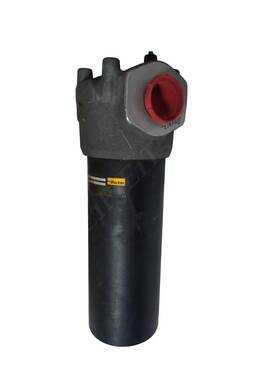
( Brand: Parker ), ( Manufacturer Part Number: 80CNA-2-74WM250E1E1-1 ), ( Part Type: Pressure Hydraulic Filter Indicator )
Review PARKER Medium Pressure Hydraulic Filter Damage Indicator
The **Parker 80CNA-2-74WM250E1E1 Pressure Hydraulic Filter Indicator** is a precision-engineered, high-performance monitoring device designed to provide real-time, accurate feedback on the cleanliness and efficiency of hydraulic systems in demanding industrial applications. This advanced filter indicator is built to withstand the rigorous conditions of heavy-duty machinery, ensuring reliable operation in environments where hydraulic fluid contamination can compromise performance, reduce equipment lifespan, and increase maintenance costs. Featuring Parker s renowned engineering excellence, this unit integrates seamlessly into hydraulic circuits to continuously track particulate levels, allowing operators to proactively address filtration issues before they escalate into costly downtime or system failures.
At its core, the **80CNA-2-74WM250E1E1** employs a robust **beta-rated filtration system**, calibrated to detect and quantify contaminants within the hydraulic fluid according to ISO 4406 or NAS 1638 standards. The indicator s **digital or analog display** (depending on the specific model variant) provides clear, actionable data, often paired with a **visual warning system** that alerts operators to deviations from optimal cleanliness levels. Its compact yet durable design ensures easy installation in tight spaces, while the **high-pressure-rated housing** (up to 250 bar or 3625 psi, as specified in the model designation) guarantees long-term reliability in high-pressure hydraulic systems, such as those found in construction equipment, industrial presses, or mobile machinery.
One of the standout features of this filter indicator is its **modular adaptability**, allowing it to be integrated with a variety of Parker filter housings and flow rates, making it a versatile solution for both new and retrofitted systems. The unit s **self-diagnostic capabilities** further enhance its utility, as it can log filtration performance over time, helping to establish predictive maintenance schedules and extend the service life of hydraulic components. Additionally, its **corrosion-resistant materials** and **sealed construction** ensure resistance to harsh chemicals, extreme temperatures, and moisture, making it suitable for outdoor or harsh indoor environments where other indicators might fail.
For industries prioritizing efficiency and safety, the **Parker 80CNA-2-74WM250E1E1** serves as an indispensable tool for maintaining hydraulic system integrity. By providing real-time insights into fluid cleanliness, it helps prevent premature wear on pumps, valves, and cylinders, reducing the risk of hydraulic system failures that could lead to production halts or safety hazards. Whether deployed in a manufacturing plant, mining operation, or agricultural machinery, this filter indicator exemplifies Parker s commitment to innovation and operational excellence, delivering a balance of precision, durability, and ease of use that sets it apart in the hydraulic monitoring market.
### **Pros and Cons of buying a Parker 80CNA-2-74WM250E1E1 Pressure Hydraulic Filter Indicator**
#### **Pros:**1. **High Accuracy and Reliability** The Parker 80CNA-2 series is known for precise pressure monitoring, ensuring consistent performance in hydraulic systems. Its robust design minimizes false readings, which is critical in industrial applications where system integrity is essential.
2. **Durability and Longevity** Built with Parker s engineering standards, this indicator is constructed from high-quality materials resistant to wear, corrosion, and extreme operating conditions. This reduces the need for frequent replacements, lowering long-term maintenance costs.
3. **Wide Compatibility** The model is designed to fit various hydraulic systems, including those in construction, manufacturing, and mobile equipment. Its universal adaptability makes it a versatile choice for different applications without requiring extensive modifications.
4. **Easy Installation and Maintenance** The indicator is straightforward to install, often requiring minimal downtime. Parker s design simplifies calibration and servicing, allowing for quick troubleshooting if issues arise.
5. **Enhanced System Protection** By providing real-time pressure readings, this device helps prevent overpressure conditions that could damage pumps, valves, or other hydraulic components. Early detection of anomalies can prevent costly failures.
6. **Brand Reputation** Parker Hannifin is a globally recognized leader in fluid power solutions, offering warranties and technical support. This reduces risks associated with inferior or untested alternatives.
7. **Compatibility with Advanced Systems** The indicator can integrate with digital monitoring systems or PLCs, enabling data logging and predictive maintenance. This is beneficial for industries prioritizing automation and efficiency.
---
#### **Cons:**1. **Higher Upfront Cost** Compared to generic or aftermarket alternatives, the Parker 80CNA-2 is a premium product. The initial investment may be prohibitive for small businesses or budget-conscious operators.
2. **Potential Overkill for Simple Systems** If the hydraulic system operates under stable, low-stress conditions, a more basic or lower-cost pressure gauge might suffice. Over-specifying could lead to unnecessary expenditure.
3. **Specialized Knowledge Required** While Parker s products are reliable, configuring or troubleshooting them may require technical expertise. Operators without hydraulic system experience might need to invest in training or hire specialists.
4. **Limited Customization** The indicator is designed for standard applications. Custom modifications (e.g., unique mounting or additional sensors) may require additional components or third-party solutions, adding complexity.
5. **Supply Chain Dependencies** As a branded industrial component, availability could be affected by global supply chain disruptions. Delays in procurement may impact production schedules.
6. **Maintenance Costs Over Time** While durable, Parker components may require periodic recalibration or part replacements (e.g., seals, gaskets). These costs, though minimal, should be factored into long-term budgeting.
7. **Potential for Obsolescence** Industrial standards evolve, and while Parker products are long-lasting, newer models with advanced features (e.g., wireless connectivity) may eventually render older versions less competitive.
---
### **Conclusion:**The **Parker 80CNA-2-74WM250E1E1 pressure hydraulic filter indicator** is a high-quality, reliable choice for industries requiring precise pressure monitoring in demanding environments. Its durability, compatibility, and brand support make it a sound investment for large-scale operations, manufacturing plants, or applications where system reliability is critical. However, for smaller operations or systems with simpler requirements, the higher cost and specialized needs may not justify the purchase.
### **Recommendation:** - **Buy if:**- You operate in an industry where hydraulic system integrity is non-negotiable (e.g., heavy machinery, industrial automation).
- Your budget allows for a premium, long-term solution with minimal maintenance headaches.
- You require compatibility with advanced monitoring systems or future-proofing against system upgrades.
- **Consider Alternatives if:**- Your application involves low-stress hydraulic systems where a basic gauge would suffice.
- Cost constraints make the Parker model unaffordable, and aftermarket or generic options meet your needs.
- Your team lacks the expertise to install, calibrate, or maintain high-end hydraulic components.
For most **commercial, industrial, or high-reliability applications**, the Parker 80CNA-2 is a **strong recommendation** due to its proven performance and longevity. However, always conduct a cost-benefit analysis based on your specific operational requirements.
Details:
PARKER 80CNA-2-74WM250E1E1-1 MEDIUM PRESSURE HYDRAULIC FILTER DAMAGE INDICATOR COVER STILL FUNCTIONS AS IT SHOULD - New old stock no packaging.
part #: 80cna274wm250e1e11 price
- $199.82
specifications hydraulivalv:
- brand: Parker
- mpn: 80cna-2-74wm250e1e1-1
- part type: Pressure Hydraulic Filter Indicator
returns hydraulivalv:
- policy: Returns Accepted
- paid by: Buyer
- method: Money back
- time: 30 Days
offer hydraulivalv:
- sold: 0
- started: February 27, 2026
- options: Ship-to-home
- quantity: 2
- availability: In Stock
seller hydraulivalv:
- city: Eureka, Kansas
- rating: 100.0%
- # reviews: 2036
payments hydraulivalv:
- wallet: Google-pay
- credit card: Diners-club
- other
general hydraulivalv:
- condition: New
- Hydraulics, Pneumatics, Pumps Plumbing > Hydraulic Filters Cartridges > Hydraulic Filters
shipping hydraulivalv:
- service: USPS Ground Advantage
- cost: $17.25
- type: Calculated
- transit: 8-14 Days
- carrier: USPS
- class: Standard
Parker 80CNA-2-74WM250E1E1-1 Is Similar To:
- 035341100b Parker Filter Model New (28.1% similar) Parker filter model 035341100B new this sale is for. This sale is for a new Parker filter model 035341100B. Shipping account please if you would like to ship on your. Please e-mail photographs that show the damage to both item and packing materials or illustrates part number other significantly ...(July 1st, 2018)
- 035381100b Parker Filter Model New (28.1% similar) Parker filter model 035381100B new this sale is for. Gets you noticed. Shipping account please if you would like to ship on your. This sale is for a new Parker filter model 035381100B. Please e-mail photographs that show the damage to both item and packing materials or illustrates part number other ...(July 1st, 2018)
- 06f12bc Parker Filter Inch Mic Used (33% similar) Parker 06F12BC filter 1/4 inch 5 mic used this item is and in working condition...(November 3rd, 2018)
- 07f42bc Parker Filter New (28.6% similar) ...(December 19th, 2018)
- Control Valve 08650553 Hcs Hydraulic Parker Gresen (33.1% similar) You are buying on new Parker Green JCS r hydraulic control valve P/N sectional right hand or center pressure control range 55 psi to 205 psi standard handle ports sae sae o ring free shipping in the USA only. We combine shipping for multiple items...(June 23rd, 2015)
- 100-12 Parker Balston Filter Cartridges Part Number New In Factory Bag (37.3% similar) Shipping is USPS parcel select, priority, and FedEx for larger items up to 150LBS. But with our eyes now open we put a lot of effort in bringing you high end industrial and electrical parts as well. Restricts sharing our address prior to the sale. One week we could be in an old school or brewery, ...(July 20th, 2018)
- 100-12-bx Parker Balston Filter Tubes Lot Of (33.9% similar) Lot of 7 new sealed bag...(September 4th, 2018)
- 100-12-dx Parker Balston Filter Tubes Lot Of (33.9% similar) Lot of 7 new sealed bag...(September 4th, 2018)
- Qty D02 1000 Hydraulic D09 Parker Prices D03 D05 Manifold (30.7% similar) ...(June 17th, 2015)
- 100644713675 Killer Filter Hydraulic Replacement For Parker New (33.6% similar) ...(March 5th, 2019)
- 1018010005 Parker New Hydraulic Filter Element (46% similar) New Parker hydraulic filter element...(February 25th, 2019)