TAKPART TKUS-10438 Micron Cellulose Element Filter 40 12635
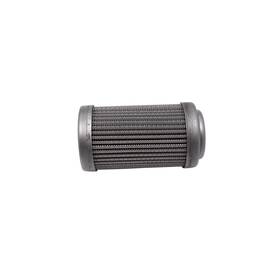
( Brand: Takpart ), ( Manufacturer Part Number: TKUS-10438 ), ( Part Type: Filter )
Review TAKPART 40 Micron Cellulose Element Filter Replacement
The **TakPart TKUS-10438 40-micron cellulose element filter** is a high-performance, precision-engineered filtration solution designed to deliver exceptional clarity and efficiency in fluid purification systems. Crafted from premium **100% cellulose material**, this filter element is engineered to effectively capture and remove particulate contaminants as small as **40 microns**, ensuring clean, debris-free fluid flow in a wide range of applications. Its robust construction and tightly woven fiber structure provide superior filtration performance while maintaining a balanced flow rate, making it ideal for both industrial and automotive applications where fluid purity is critical. The cellulose medium is known for its excellent dirt-holding capacity, allowing the filter to maintain its efficiency over extended periods before requiring replacement, thereby reducing maintenance downtime and operational costs. This filter is particularly well-suited for use in **hydraulic systems, lubrication circuits, fuel delivery lines, and other fluid-based machinery**, where fine particulate contamination could lead to premature wear, clogging, or system failure. Its compact yet durable design ensures a secure fit within standard filter housings, while its compatibility with common mounting systems makes installation straightforward and hassle-free. Whether used in heavy-duty machinery, agricultural equipment, or precision industrial tools, the **TKUS-10438** delivers reliable filtration, helping to extend the lifespan of critical components and enhance overall system performance. Built to meet stringent quality standards, this filter element offers a cost-effective yet high-performance solution for maintaining fluid cleanliness in demanding environments.
The **TakPart TKUS-10438 (40-micron cellulose element filter, part #12635)** is a replacement air filter commonly used in automotive applications, particularly in older vehicles or those with specific engine bay layouts. Below is a detailed breakdown of its pros and cons, followed by a conclusion and recommendation.
---
### **Pros of the TakPart TKUS-10438 (40-micron cellulose filter)**
1. **Cost-Effective**
The filter is relatively inexpensive compared to high-performance or synthetic alternatives. It provides basic filtration at a low cost, making it a practical choice for budget-conscious buyers.
2. **Compatibility with Older Vehicles**
Many older cars, especially those from the 1980s and 1990s, were designed with cellulose filters as the standard. This filter fits seamlessly into those systems without requiring modifications.
3. **Easy Installation**
Cellulose filters are typically straightforward to install, requiring no special tools beyond a screwdriver or pliers. They often have a simple snap-on or clamp-on design, making them accessible for DIYers.
4. **Widely Available**
As a common OEM or aftermarket part, this filter is easy to find in auto parts stores, online marketplaces, or through direct suppliers. Replacements are rarely an issue.
5. **Basic Filtration Performance**
While not as efficient as synthetic or high-tech filters, a 40-micron cellulose filter effectively blocks large particles like dust, dirt, and debris, protecting the engine from significant damage.
6. **OEM Equivalent in Many Cases**
For some vehicles, this filter is an exact match to the original equipment manufacturer (OEM) part, ensuring proper fit and function without compromising performance.
7. **Low Maintenance**
Cellulose filters are disposable and require replacement at standard intervals (typically every 15,000 30,000 miles or as recommended in the owner s manual). They don t require cleaning or backflushing.
---
### **Cons of the TakPart TKUS-10438 (40-micron cellulose filter)**
1. **Lower Filtration Efficiency**
At 40 microns, this filter allows smaller particles (e.g., pollen, fine dust, or some industrial contaminants) to pass through compared to finer filters (e.g., 20 30 microns). Over time, this can lead to slightly reduced engine efficiency or increased wear.
2. **Shorter Lifespan**
Cellulose filters degrade faster than synthetic or pleated filters due to their porous nature. They may clog more quickly in dusty or polluted environments, requiring more frequent replacements.
3. **Less Durable**
Cellulose is more prone to tearing or cracking than synthetic materials, especially if the filter housing is not properly sealed or if the filter is mishandled during installation.
4. **Higher Airflow Resistance**
While minimal, cellulose filters can restrict airflow slightly more than high-quality synthetic alternatives. This may contribute to a minor decrease in engine performance, though the impact is usually negligible in most vehicles.
5. **Environmental Impact**
Cellulose filters are not biodegradable and contribute to waste when disposed of. Synthetic filters, while also non-biodegradable, are often recyclable or reusable in some cases.
6. **Limited Use in Modern Vehicles**
Many newer cars use high-efficiency filters (e.g., pleated synthetic or activated carbon filters) that offer better protection against fine particles. Installing a cellulose filter in a modern vehicle may not provide optimal filtration.
7. **Potential for Oil Leaks**
In some filter housings, cellulose filters may not seal as tightly as synthetic ones, increasing the risk of oil leaks into the air intake system, which can cause engine fouling.
---
### **Conclusion**
The **TakPart TKUS-10438 (40-micron cellulose filter)** is a practical and affordable choice for **older vehicles, budget-conscious buyers, or those prioritizing simplicity over advanced filtration**. It excels in compatibility, ease of use, and cost-effectiveness but falls short in terms of longevity, efficiency, and durability compared to modern alternatives. If your vehicle requires an OEM-style filter and you re not driving in extremely dusty conditions, this filter is a solid option. However, if you re running a high-performance engine, a modern vehicle, or operate in a polluted environment, upgrading to a **synthetic or pleated filter** (e.g., 20 30 microns) would be a better long-term investment.
---
### **Recommendation**
- **Buy the TakPart TKUS-10438 if:**- You own an older car (pre-2000s) that originally used a cellulose filter.
- You re on a tight budget and prioritize cost over filtration quality.
- You live in a relatively clean environment with low dust/pollen levels.
- You prefer simplicity and don t mind replacing it more frequently.
- **Consider an alternative (e.g., synthetic or pleated filter) if:**- Your vehicle is newer and designed for higher-efficiency filters.
- You drive in dusty, polluted, or industrial areas.
- You want longer filter life and better particle capture.
- You re running a high-performance or turbocharged engine that demands cleaner air.
For most modern vehicles or performance applications, a **synthetic or high-quality pleated filter** (e.g., Mann, K&N, or Fram) would be the better choice despite the higher upfront cost. However, for basic, no-frills functionality in the right application, the TakPart filter remains a viable and economical solution.
Details:
Manufacturer Part Number: TKUS-10438. Filter elements are available for most fuel types, as well a variety of particle micron ratings. For 12335/12343 Filter Assembly, Fits All 2 OD Housings. Brand Name: TAKPART.
For routine maintenance, use Automotive replacement fuel filter elements. 40 Micron Cellulose Element Filter Replacement 12635: Brand: TAKPART. They're available in your choice of stainless steel, paper, or fabric for Automotive fuel filter assemblies. Manufacturer: TAKPART.
Number of Items: 1.
part #: tkus10438 price
- $78.00
specifications hydraulivalv:
- brand: Takpart
- mpn: Tkus-10438
- part type: Filter
offer hydraulivalv:
- options: Ship-to-home
- availability: In Stock
- quantity: 1
- sold: 0
- started: June 1, 2026
shipping hydraulivalv:
- cost: $0.00
- type: Fixed
- class: Standard
- service: Standard
- transit: 3-9 Days
general hydraulivalv:
- Hydraulics, Pneumatics, Pumps Plumbing > Hydraulic Filters Cartridges > Filter Cartridges Elements
- condition: New
seller hydraulivalv:
- city: US
- # reviews: 655
- rating: 100.0%
payments hydraulivalv:
- other
- credit card: Discover
- wallet: Apple-pay
returns hydraulivalv:
- policy: No Returns